

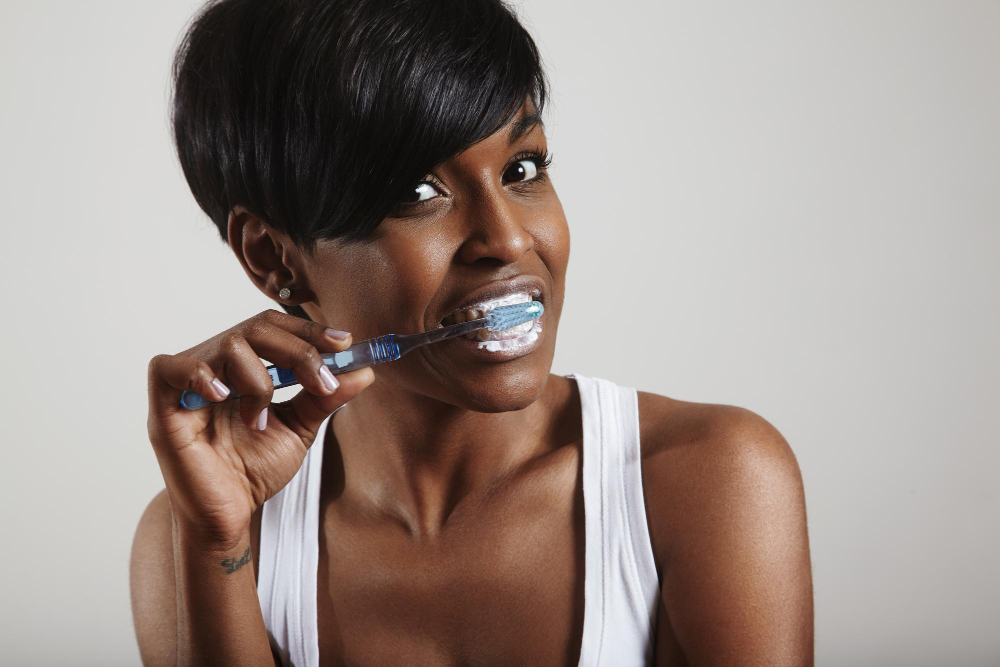
Teeth-whitening toothpastes are everywhere — on supermarket shelves, in adverts, and in dental care aisles. But do they really make your teeth whiter? And how much whitening can you realistically expect? This article explains what research shows, without marketing hype.
How Whitening Toothpastes Work
Most whitening toothpastes do not bleach the inside of the tooth like professional dental whitening. Instead, they work mainly by:
• using mild abrasives to remove surface stains from coffee, tea, smoking, or wine
• including chemical agents that reduce stain build-up
• using optical colourants that make teeth appear whiter temporarily
This means whitening toothpastes focus on polishing and stain removal rather than deep colour change.
What Research Shows
Studies show that whitening toothpastes can lighten teeth slightly after regular use. Research indicates that many whitening toothpastes produce visible improvement after several weeks of daily brushing.
However, the effect is usually modest. On average, whitening toothpastes lighten teeth by about one to two shades. They are effective for removing external surface stains but do not significantly change deeper tooth colour.
Some formulations perform better than others. Toothpastes containing ingredients such as hydroxyapatite or certain stain-prevention agents have shown better stain reduction in studies. Whitening toothpastes are also useful for maintaining results after professional teeth whitening.
Whitening toothpastes are not effective for intrinsic stains caused by ageing, trauma, or medication.
Professional Whitening vs Whitening Toothpaste
Professional teeth whitening uses stronger, controlled bleaching agents and produces far more noticeable and predictable results than whitening toothpaste. Toothpaste is best viewed as a maintenance tool rather than a replacement for professional treatment.
Safety Considerations
Whitening toothpastes are generally safe when used correctly. However, very abrasive formulas, especially some charcoal-based pastes, may increase enamel wear if overused. Choosing a fluoride-containing toothpaste is important to protect enamel.
Realistic Expectations
Whitening toothpaste can help reduce surface staining and maintain brightness, but it will not dramatically whiten teeth. For significant colour change, professional dental whitening remains the most effective option.
Final Thoughts
Whitening toothpastes do work to a limited degree. They are helpful for everyday stain control and maintaining results after professional whitening, but they are not a substitute for dentist-supervised whitening.
If you are considering teeth whitening, a dental consultation is the best way to determine what will work safely and effectively for your smile.
