

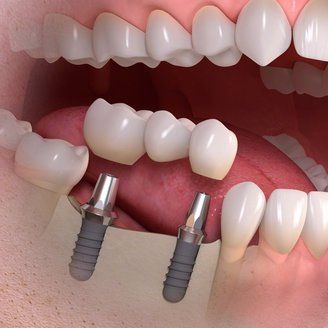
What are dental implants?
Dental implants are a permanent solution for missing teeth. They consist of a small titanium post placed in the jawbone to replace the tooth root, with a crown placed on top to look and function like a natural tooth.
Are dental implants permanent?
Dental implants are designed to be a long-term solution. With good oral hygiene and regular dental check-ups, implants can last many years and often decades.
Do dental implants look natural?
Yes. Dental implants are custom-made to match the colour, shape, and size of your natural teeth. Most people cannot tell the difference between an implant and a natural tooth.
Are dental implants painful?
The procedure is generally well tolerated. Local anaesthesia is used during placement, and most patients describe post-treatment discomfort as mild and manageable with routine pain relief.
How long does dental implant treatment take?
Treatment time varies depending on healing and bone quality. Some cases take a few months from placement to final crown, while others may be completed sooner. Your dentist will explain the timeline clearly during consultation.
Who is a good candidate for dental implants?
Dental implants are suitable for many people who have one or more missing teeth, have healthy gums, want a fixed non-removable solution, and want something that feels and functions like a natural tooth.
What are the benefits of dental implants compared to dentures or bridges?
Dental implants do not move or slip, do not rely on neighbouring teeth, help preserve jawbone and facial structure, feel more natural when eating and speaking, and are cared for like natural teeth.
Are dental implants safe?
Yes. Dental implants are a well-established and predictable treatment when properly planned and placed by a qualified dental professional.
How do I care for dental implants?
Dental implants are cleaned just like natural teeth: brush twice daily, floss daily, and attend regular dental check-ups. Good oral hygiene is key to long-term success.
Are dental implants expensive?
Dental implants are an investment in long-term oral health. While the initial cost may be higher than other options, implants often last longer and require less maintenance over time.
What happens if I don’t replace a missing tooth?
Leaving a gap can lead to shifting of nearby teeth, bone loss in the jaw, changes in bite and facial shape, and difficulty chewing and speaking. Dental implants help prevent these complications.
How do I know if dental implants are right for me?
The best way to know is through a professional dental consultation. Your dentist will assess your teeth, gums, and bone and explain all available options clearly and honestly.
