

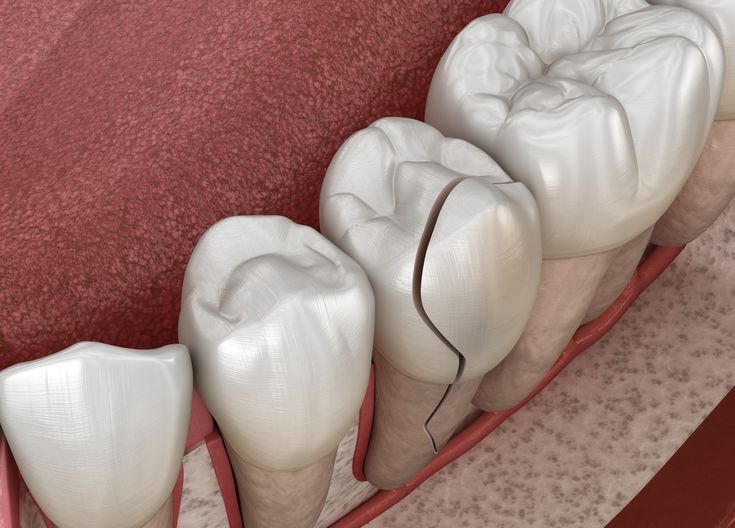
A Calm, Step-by-Step Guide to Fractured Teeth
Falls and accidents happen, and broken teeth are far more common — and treatable — than most people realise. Whether it’s a small chip or a larger break, modern dentistry offers gentle and effective solutions to restore comfort and appearance.
Step 1: Initial Assessment
We first check your overall condition, then the affected teeth. We assess pain, swelling, looseness, and any jaw involvement.
Step 2: Examination and X-rays
We examine how deep the fracture goes and whether the nerve or root is affected. X-rays help detect hidden cracks.
Types of Tooth Fractures:
1. Small Chip (Enamel Only)
Usually painless and cosmetic.
Treatment: polishing or tooth-coloured bonding.
2. Fracture into Dentin
May cause sensitivity.
Treatment: bonding, filling, or crown.
3. Fracture Reaching the Nerve
Often painful.
Treatment: root canal followed by a crown.
4. Fracture Below the Gum Line
More complex but often treatable.
Treatment: crown lengthening, root canal, or extraction if unavoidable.
Loose Teeth After a Fall
Some teeth may loosen due to ligament injury and may need temporary splinting.
Pain Control and Healing
Immediate pain relief, smoothing of sharp edges, and temporary restorations are provided.
Most patients feel much better within days, with final restorations completed after healing.
What to Do Before Your Appointment
Avoid biting on the tooth, eat soft foods, rinse gently with salty water, and bring any broken fragments if available.
Broken teeth can be restored safely and predictably with the right care.
