

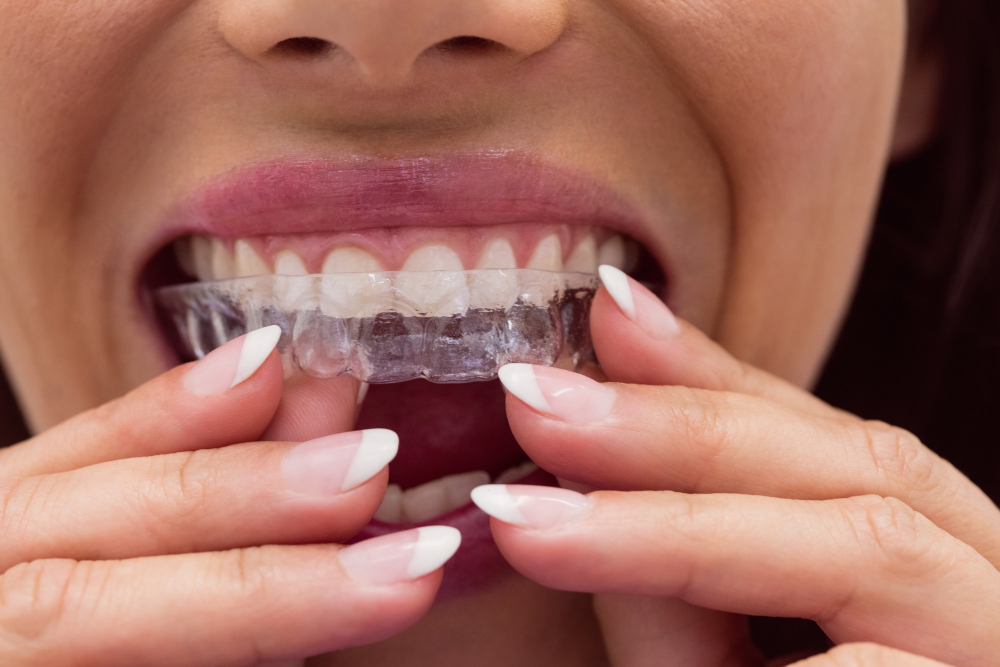
Invisalign and other clear aligners are often advertised as the easy, invisible way to straighten teeth. For the right patient, they can work very well. However, if you are a Kenyan patient considering Invisalign, it is important to understand the real-life challenges — not just the marketing.
At Gentle Dental, we believe patients deserve honest guidance, even when that means advising against a popular option.
Invisalign Is Not a Fashion Choice
At Gentle Dental, we have seen many patients begin Invisalign as a fashion trend rather than a treatment decision. Clear aligners are often marketed as modern, stylish, and effortless, but orthodontic treatment requires commitment.
We regularly see patients who:
• struggle to wear aligners consistently
• remove them frequently for meals, tea, or social situations
• lose trays or fall behind schedule
• become frustrated when results stall
In these cases, treatment is often left incomplete — not because Invisalign does not work, but because the level of discipline required was underestimated.
Orthodontic treatment is a medical process, not a cosmetic accessory.
Discipline Is Essential
Invisalign only works if aligners are worn 20–22 hours every day. Long workdays, irregular meals, frequent tea or coffee, and social eating can make this difficult for many Kenyan patients.
Eating Habits and Daily Life
Aligners must be removed every time you eat or drink anything other than water. This can be challenging with meals eaten outside the home, street food, or limited access to hygiene facilities during the day.
Cleaning and Hygiene
Aligners must be kept very clean. Poor cleaning can lead to staining, odour, and gum problems. This requires consistent brushing and rinsing before reinserting aligners.
Speech and Comfort
Some patients experience temporary speech changes, pressure, or soreness. For professionals who speak frequently, even mild changes can feel uncomfortable at first.
Not Suitable for Every Case
Invisalign works best for mild to moderate alignment problems. In complex cases, results may be limited, and some patients eventually need braces.
Cost and Continuity
Invisalign can be more expensive than traditional braces. Replacement aligners, refinements, and delays in manufacturing can add to cost and treatment time.
Honest Assessment Matters
The most important question is not whether Invisalign is modern, but whether it is right for you. Lifestyle, discipline, and dental needs must all be considered.
Our Approach at Gentle Dental
At Gentle Dental, we recommend Invisalign only when it truly fits the patient. Sometimes traditional braces are the faster, more predictable, and ultimately more successful option.
Final Thoughts
Invisalign can be an excellent treatment for the right patient. However, starting treatment as a trend rather than a commitment often leads to incomplete results.
Orthodontic care is a partnership. At Gentle Dental, our role is to help you choose what will work — and support you through to completion.
