

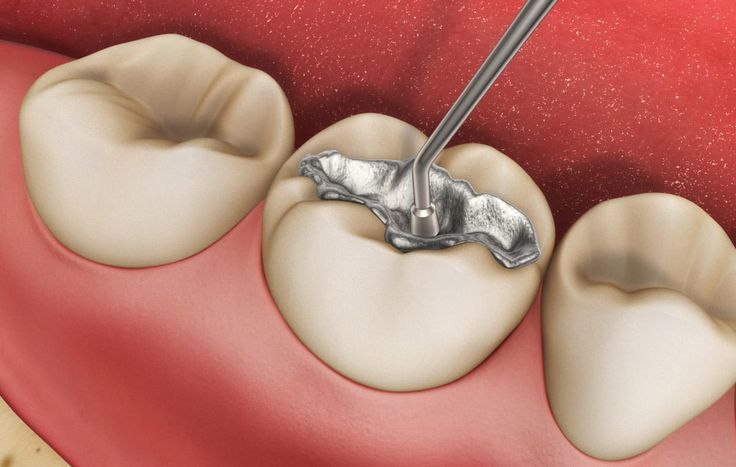
Dental amalgam, commonly known as silver fillings, has been used in dentistry for well over a century. It remains one of the most researched and well-understood dental materials in clinical use.
At Gentle Dental, we believe patients benefit most from clear, factual information that supports calm and informed decision-making.
What Is Amalgam?
Dental amalgam is a material made from a combination of metals, including silver, tin, copper, and mercury. When these components are combined, they form a stable alloy that has been used successfully in millions of patients worldwide.
Amalgam became widely used because of its strength, durability, and reliability, particularly in back teeth that are exposed to heavy chewing forces.
Is Amalgam Still Used Today?
Yes. Amalgam is still used in the United States, the United Kingdom, and many other countries. It has not been banned in most parts of the world.
In recent years, dentistry has expanded the range of restorative materials available. As a result, amalgam is now used more selectively, with greater emphasis on choosing the most appropriate material for each individual tooth.
What Health Authorities Say
Major dental and health authorities internationally have consistently stated that dental amalgam is safe for the general population when used appropriately. Its long history of clinical use provides extensive data supporting its performance and safety.
Why Dentistry Has Evolved Beyond Routine Amalgam Use
Modern dentistry now offers additional restorative options, such as tooth-coloured composite fillings and ceramic restorations. These materials allow for more conservative tooth preparation and improved aesthetics in many situations.
The move toward alternative materials reflects progress in dental technology and patient choice, rather than concerns about the clinical safety of amalgam.
When Amalgam Is Still Appropriate
Amalgam may still be a suitable choice when:
• a cavity is large
• the tooth is under heavy chewing pressure
• moisture control is difficult
• durability is the primary consideration
• the tooth is not visible when smiling
In such cases, amalgam can provide long-lasting and predictable results.
When Other Materials May Be Preferred
Tooth-coloured materials are often preferred when:
• appearance is important
• cavities are small to moderate
• preserving natural tooth structure is a priority
• patients request mercury-free options
Choosing the Right Material
There is no single filling material that is best for every situation. The choice depends on:
• the location of the tooth
• the size of the cavity
• bite forces
• long-term function
• patient preferences
A professional dental assessment ensures that the most suitable option is selected.
Replacing Existing Amalgam Fillings
In most cases, existing amalgam fillings do not need to be replaced unless there is a clear dental reason, such as wear, fracture, or decay around the filling. Stable, well-functioning restorations are usually best left undisturbed.
Final Thoughts
Amalgam fillings remain a reliable and durable dental material with a long record of clinical success. While modern alternatives are now widely available, amalgam continues to have a role in specific situations.
Good dentistry is based on balance, evidence, and choosing the right solution for each tooth. At Gentle Dental, treatment decisions are made calmly, collaboratively, and in the patient’s best long-term interest.
